
🔧 Introduction
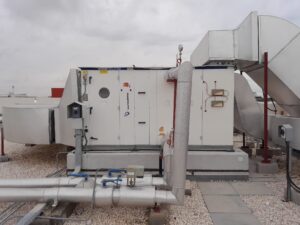
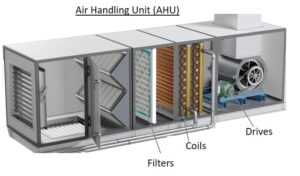
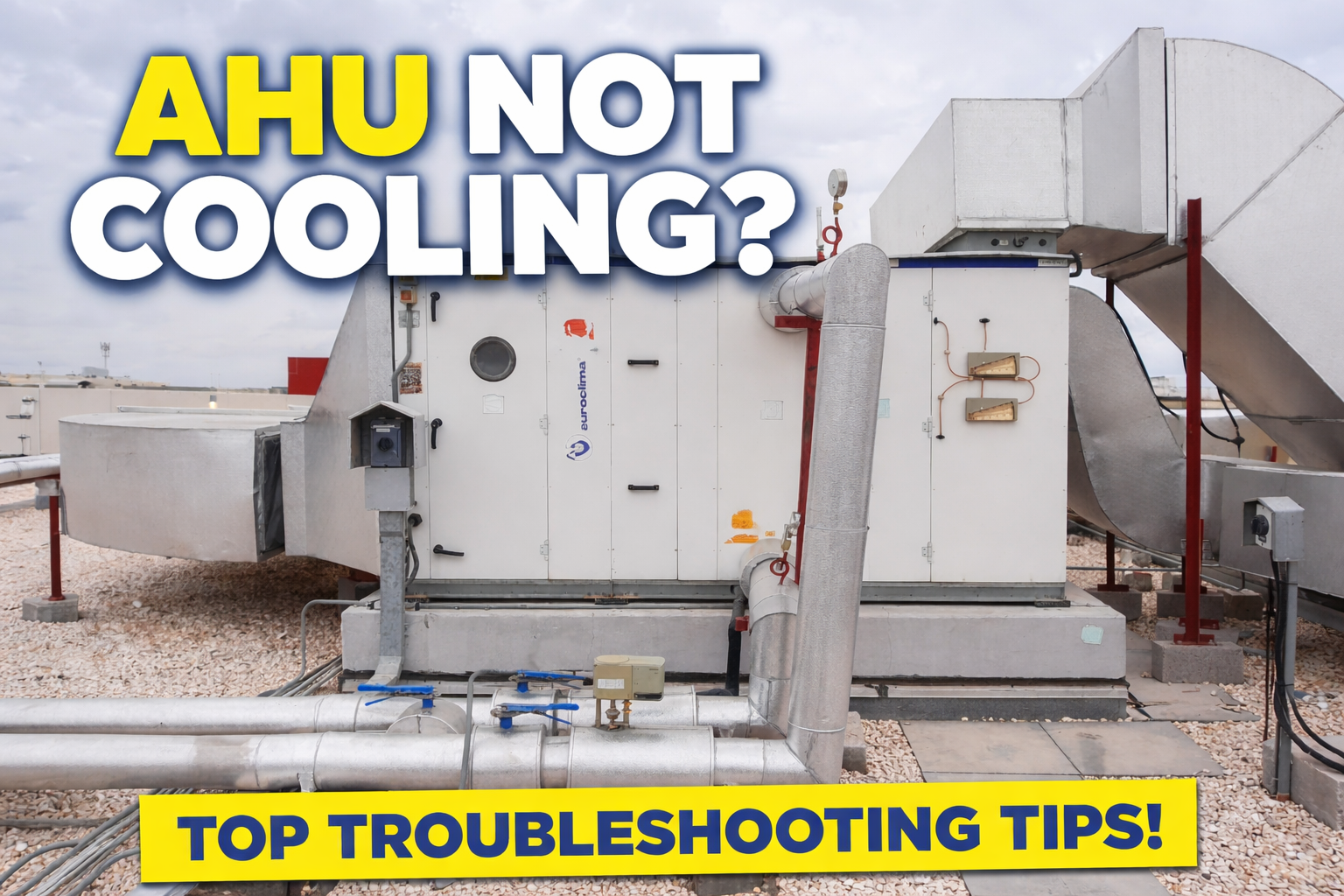
If your Air Handling Unit (AHU) is running but not cooling, this is a very common issue in facility maintenance especially in schools, offices, and commercial buildings.
In my 10+ years of HVAC maintenance experience, I’ve handled many AHU complaints. The good news is:
👉 Most cooling issues are not major failures they are simple problems that can be diagnosed and fixed quickly if you follow a proper method.
In this guide, I’ll share the exact step-by-step process I use on-site to troubleshoot AHU cooling issues efficiently.
✅ Step 1: Check Air Filters (Always First)
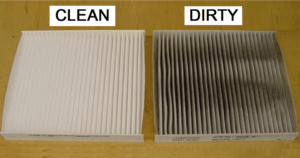
This is always my starting point.
On most sites I handle, dirty filters are the root cause in many cases.
When filters are clogged:
- Airflow is reduced
- Cooling efficiency drops
- Rooms feel warm even if AHU is running
🔍 What I Check:
- Dust accumulation level
- Airflow restriction
- Filter condition (damaged or blocked)
🛠️ What I Do:
- Clean or replace filters immediately
- Ensure correct installation after replacement
👉 Tip: Even slightly dirty filters can impact performance in high-demand areas.
✅ Step 2: Inspect Cooling Coil Condition
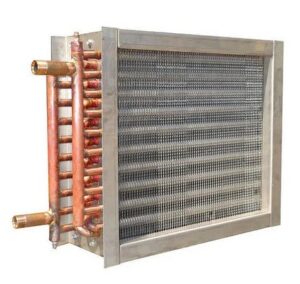
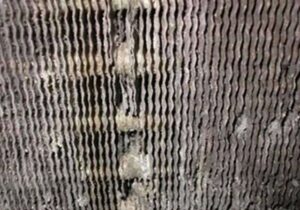
If filters are clean, the next step is the cooling coil.
A dirty or blocked coil cannot transfer heat properly.
🔍 Common Issues I’ve Seen:
- Dust and debris blocking fins
- Bent fins restricting airflow
- Uneven air distribution across the coil
🛠️ My Action:
- Clean coil using proper coil cleaner
- Straighten fins if required
- Ensure full airflow coverage
✅ Step 3: Verify Chilled Water Flow (Critical Step)
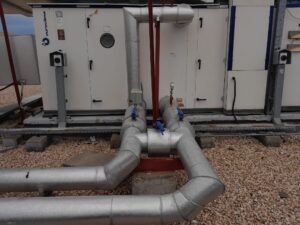
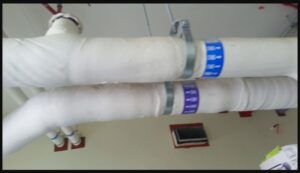
This is one of the most overlooked but most important checks.
Even if everything looks fine,
👉 No chilled water flow = No cooling
🔍 Quick On-Site Check I Use:
- Inlet pipe → should feel cold (approx. 6–7°C)
- Outlet pipe → should be slightly warmer (approx. 10–12°C)
❗ If both pipes feel warm:
- No chilled water circulation
- Possible valve or system issue
🛠️ What I Check:
Line blockage or air lock
Control valve operation
Actuator condition
✅ Step 4: Check Fan & Airflow Performance
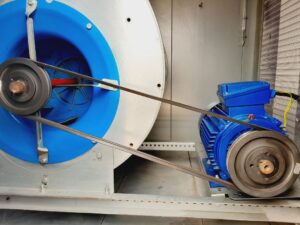
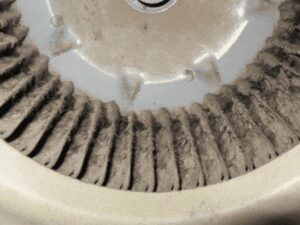
Cooling depends heavily on proper airflow.
🔍 Common Problems:
- Loose or worn belts
- Dirty blower wheel
- Motor inefficiency
🛠️ What I Do:
- Adjust belt tension
- Clean blower assembly
- Check motor current and performance
👉 Low airflow = reduced cooling, even if coil is working perfectly.
✅ Step 5: Inspect Dampers (Often Ignored)
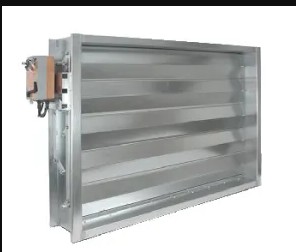
Sometimes the issue is not with cooling but with air distribution.
🔍 Issues I’ve Encountered:
- Fresh air damper fully closed
- Damper stuck due to actuator failure
- Improper mixing of return and fresh air
🛠️ My Check:
- Manually inspect damper movement
- Verify actuator response
- Ensure correct air balance
✅ Step 6: Check Thermostat & Control Settings
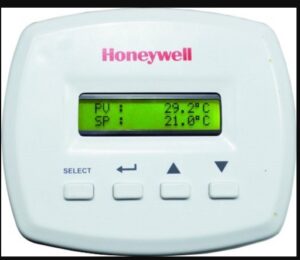
Before escalating, always verify controls.
🔍 I Confirm:
- Temperature setpoint is correct
- Sensor is working properly
- Control signal is reaching actuator
👉 Many complaints are simply due to incorrect thermostat settings.
✅ Step 7: Final System Verification
Before closing any job, I always perform a full system check.
✔️ I Ensure:
- Stable airflow
- Proper cooling output
- No abnormal noise or vibration
- System running smoothly
🔍 Real Site Example (From My Experience)
In one school project, we received a complaint:
👉 “AHU is running, but classrooms are not cooling.”
🔎 What I Observed:
- Filters: Slightly dusty (not critical)
- Fan & motor: Working normally
- Coil: Clean
But when I checked chilled water pipes:
- Both inlet and outlet were warm
🎯 Root Cause:
- Faulty valve actuator
- Valve was not opening → no chilled water flow
🛠️ Solution:
- Replaced actuator
- Restored valve operation
✅ Cooling restored within 15 minutes
👉 Key Lesson:
Never skip checking chilled water flow even if everything else looks normal.
🧰 Tools I Commonly Use On-Site
- Digital thermometer
- Clamp meter
- Pressure gauge
- Airflow meter (if available)
These tools help in quick and accurate diagnosis.
⚠️ Common Mistakes to Avoid
- Ignoring chilled water flow check
- Assuming coil is dirty without inspection
- Not checking valve actuator
- Closing complaint without full system verification
✅ Quick AHU Troubleshooting Checklist
✔️ Air filters are clean
✔️ Cooling coil is clear
✔️ Chilled water flow is proper
✔️ Valve & actuator are working
✔️ Fan and motor are functioning
✔️ Belt tension is correct
✔️ Dampers are properly positioned
✔️ Thermostat settings are accurate
❓ Frequently Asked Questions (FAQ)
What causes an AHU not to cool?
Common causes include dirty filters, clogged coils, low airflow, or lack of chilled water flow.
What is the first step in AHU troubleshooting?
Always start with checking the air filters—they are the most frequent issue.
Can low airflow affect cooling?
Yes. Without proper airflow, the cooling coil cannot transfer heat effectively.
How do I check chilled water flow?
Check pipe temperature:
- Inlet → cold
- Outlet → slightly warmer
How often should AHU maintenance be done?
Detailed maintenance: Quarterly
Basic inspection: Monthly
Internal Guides (Recommended Reading)
To improve your maintenance knowledge, you can also read about AHU Preventive Maintenance Checklist (Daily, Weekly, Monthly Guide):
📚 Industry Reference
For professional HVAC standards and guidelines, refer to ASHRAE, which provides globally accepted best practices for system performance and maintenance.
🧾 Final Thoughts
From my experience, AHU troubleshooting becomes simple when you follow a structured approach.
Most issues can be resolved quickly by:
- Checking airflow
- Inspecting components
- Verifying chilled water flow
👉 Small checks done correctly can prevent major complaints.
✍️ About the Author
Written by a Facility Maintenance Professional with 10+ years of hands-on HVAC experience, handling real-time troubleshooting in schools, commercial buildings, and operational facilities.
📢 Call to Action
🔧 Want more real-world HVAC troubleshooting guides?
Follow this blog for practical, field-tested facility maintenance tips.
Informative and helpful blog
Very much informative
Explained very well
Интересная статья, спасибо за информацию!